Table of Contents
- Why Sensitive Skin Needs a Different Approach
- Natural Beauty Products for Sensitive Skin: Quick Comparison
- How to Read Clean Beauty Labels Explained Without the Marketing Spin
- Ingredients to Avoid When Your Skin Reacts
- Natural Beauty Product Patch Testing: A Step-by-Step Method
- Best Natural Moisturizers for Sensitive Skin
- Building a Simple Routine That Respects Your Skin Barrier
- Frequently Asked Questions
Last Updated: September 25, 2026
Why Sensitive Skin Needs a Different Approach
Sensitive skin is a skin type or condition that reacts to products, ingredients, or environmental factors with redness, stinging, itching, or burning that other skin types tolerate without issue. It is not a single diagnosis, and it is not the same as having a diagnosed skin condition.

The scale of the problem explains why so many people are searching for natural beauty products for sensitive skin. According to Market.us skincare statistics, 59% of consumers now say they prefer skincare made with natural or organic ingredients.
Natural Beauty Products for Sensitive Skin: Quick Comparison
The best natural beauty products for sensitive skin are those with short ingredient lists, no added fragrance, and soothing agents like aloe, calendula, or oatmeal. The table below compares a few options across categories so you can see what fits your routine.
Product |
Category |
Key Ingredients |
Best For |
|---|---|---|---|
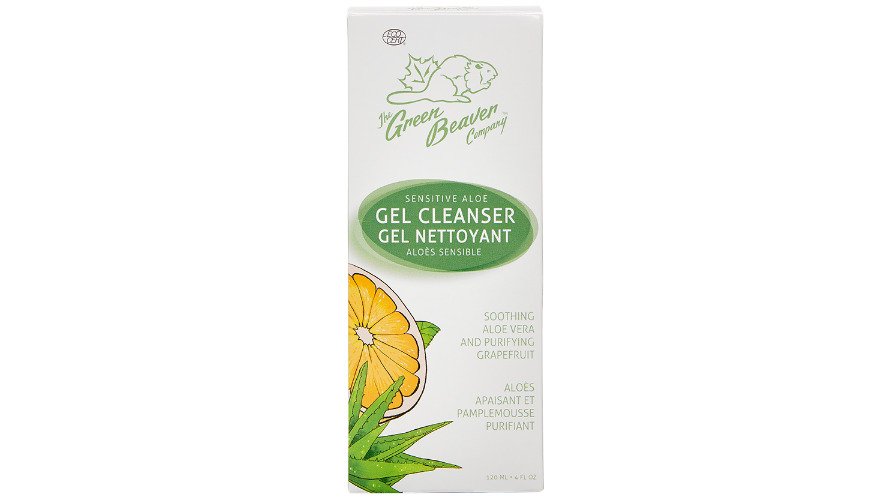
Facial cleanser |
Aloe, chamomile, green tea |
Redness and irritation |
|
Body wash |
Calendula, burdock root, panthenol |
Fragrance intolerance |
|
Unscented Hand & Body Lotion |
Moisturizer |
Avocado oil, vitamin E, honeysuckle |
Daily barrier support |
Sensitive Bath Bar |
Bar soap |
Palm kernelate, glycerin |
Simple, low-ingredient cleansing |
Vanilla & Oat Milk Deodorant |
Deodorant |
Shea butter, colloidal oatmeal |
Baking soda sensitivity |
How to Read Clean Beauty Labels Explained Without the Marketing Spin
Clean beauty labels explained simply means reading the ingredient list, not the front of the package. Words like "pure," "botanical," and "dermatologist-tested" carry no legal definition in most cases, so the back label is where the real information lives.

Start with these checks:
- Ingredient order: Items are listed by concentration, so the first five matter most. Anything after the preservative is usually present at under 1%.
- Fragrance or parfum: A single word that can hide dozens of compounds. "Natural fragrance" and "essential oil blend" are not safer by default.
- Certifications: Look for recognized organic standards rather than vague claims. A certified-organic seal means the formula met a third-party audit, not that it is irritation-free.
- Preservatives: Paraben-free and sulfate-free are useful markers, but they are not the whole story. A preservative-free water-based product is a microbial risk, not a win.
- Botanical load: Count the plant extracts. A formula with 20 botanicals has 20 chances to trigger a reaction.
The interaction angle most guides miss
Reading a label in isolation is only half the job. The other half is checking how the ingredients behave together and alongside anything else you use.
- Acids plus occlusives: Layering a strong exfoliating acid under a heavy balm or oil can drive irritation deeper instead of buffering it. If you use an acid, apply it on clean skin and wait before moisturizing.
- Essential oils plus prescription topicals: Citrus, mint, and eucalyptus oils can amplify stinging when used over or under a prescribed retinoid or acne treatment. Space them out, or drop the essential oil while your skin adjusts.
- Niacinamide plus high-dose vitamin C: Some people flush or sting when these are layered back-to-back. Alternating morning and evening is a common workaround.
- Physical exfoliants plus actives: Combining a scrub with an acid or retinoid on the same day is one of the most reliable ways to trigger a flare.
Ingredients to Avoid When Your Skin Reacts
The most common irritants for sensitive skin are synthetic fragrance, sulfates, parabens, and certain preservatives. Some natural botanical extracts can also trigger reactions, which is why patch testing matters even with clean formulas.
Watch for these on labels:
- Sodium lauryl sulfate and similar sulfates
- Synthetic preservatives like parabens
- Added dyes and synthetic fragrance
- High concentrations of essential oils, especially citrus and mint
The natural ingredients that cause the most reactions
"Natural" does not mean hypoallergenic. These are the botanicals most often implicated in contact reactions, and they appear in a large share of clean beauty formulas:
- Fragrant plant extracts: lavender, bergamot, ylang-ylang, and citrus peel oils. These contain naturally occurring fragrance compounds that behave much like synthetic fragrance on reactive skin.
- Balsam of Peru and colophony (rosin): common in balms, salves, and some "healing" ointments.
- Compositae-family plants: chamomile, calendula, arnica, and feverfew. Ironically, these are also marketed as soothing, some people react to them instead.
- Propolis and bee-derived ingredients: popular in barrier creams, but a known allergen for a subset of users.
- Tea tree and eucalyptus oils: effective antimicrobials, but irritating at full strength and best diluted.
- Essential-oil blends labeled "calming": the blend itself is often the problem, because you cannot isolate which oil triggered the reaction.
Why pH matters as much as the ingredient list
A product can have a perfect ingredient list and still sting. Skin sits at a slightly acidic pH, and cleansers or toners that drift too alkaline strip the barrier and leave it more reactive to everything applied afterward. If a product lists "pH balanced" without a number, that claim is close to meaningless, ask, or check the brand's published testing.
The market context
The market is responding to this demand. According to Grand View Research's natural skin care market report, the natural skincare segment is projected to grow from $9.8 billion in 2026 to $11.9 billion by 2030, a 6.3% compound annual growth rate. Much of that growth is driven by people specifically seeking gentler formulas.
Natural Beauty Product Patch Testing: A Step-by-Step Method
Natural beauty product patch testing is the practice of applying a small amount of a new product to a discreet area of skin and waiting 24 to 48 hours to check for a reaction. It is the single most reliable way to avoid a full-face breakout from a product your skin cannot tolerate.
- Clean a small patch of skin on your inner forearm or behind your ear.
- Apply a pea-sized amount of the product and let it dry.
- Leave it uncovered and undisturbed for 24 hours.
- Check for redness, itching, or swelling.
- If there is no reaction, repeat on a second day before using it on your face.
Best Natural Moisturizers for Sensitive Skin
The best natural moisturizers for sensitive skin support the skin barrier with lipids and humectants rather than heavy fragrance or alcohol. Look for ingredients like shea butter, avocado oil, glycerin, and oatmeal.
Building a Simple Routine That Respects Your Skin Barrier
A sensitive-skin routine should have four steps: cleanse, treat, moisturize, and protect. Anything more adds risk without adding much benefit.
Frequently Asked Questions
What are the best natural skincare products for sensitive skin?
Start with fragrance-free, pH-balanced formulas that calm rather than strip. The Aloe Vera Cleanser - Sensitive Skin ($16.99) uses aloe, chamomile, and green tea to relieve redness. For moisture, the Unscented Hand & Body Lotion ($15.79) contains avocado oil and Japanese honeysuckle, while the Fragrance Free Natural Hand Cream ($10.69) is formulated for odor sensitivities. Patch test each new product for three days before adding the next one.
What ingredients should I avoid in natural beauty products if I have sensitive skin?
Watch for synthetic preservatives like parabens, sulfates such as SLES, added fragrance, and drying alcohols. Research from the National Center for Biotechnology Information identified approximately 88 chemicals across 73,000 cosmetic products that can trigger irritation, headaches, or dizziness. Even natural botanical extracts can cause reactions, so the Cleveland Clinic notes that 'natural' does not automatically mean non-irritating. Choose fragrance-free, paraben-free, sulfate-free formulas when possible.
How can I tell if a beauty product is truly natural?
Look for organic certification on the label, such as NSF Organic Standard, and check the ingredient list rather than front-of-pack claims. A product like the Organic Fragrance Free Hand & Body Lotion ($12.69) carries NSF Organic certification and lists aloe, green tea, and jojoba oil first. Be skeptical of vague terms like 'botanical' or 'clean' without certification. If a label does not disclose preservatives or fragrance sources, treat the natural claim as unverified.
What are the signs of a reaction to a new skincare product?
Redness, itching, burning, stinging, or small bumps appearing within minutes to 48 hours of application are common irritation signs. If you notice swelling or spreading rash, stop using the product immediately. Patch testing on your inner forearm for 24 to 48 hours before applying to your face can catch most reactions early.
How do I transition to a natural beauty routine for sensitive skin?
Switch one product at a time, waiting at least a week between changes so you can identify what works. Begin with a gentle cleanser like the Aloe Vera Cleanser - Sensitive Skin ($16.99), then add a moisturizer such as the Unscented Hand & Body Lotion ($15.79). Keep the rest of your routine stable. You have more fragrance-free, dermatologist-tested options than ever to choose from.
Sensitive skin rarely improves by adding more products. It improves when you remove the triggers and give the barrier time to recover. Ambrosia Natural Foods stocks a full range of fragrance-free cleansers, moisturizers, and body care, with Canada-wide delivery and free shipping on orders over $79.99. Start with one new product at a time, patch test it, and let your skin tell you what works. Shop All to build a routine that respects your barrier.