

Table of Contents
- Why Affordable Organic Meal Planning Matters in 2026
- Your Budget-Friendly Organic Grocery List
- Bulk Buying Organic Food Benefits for Families
- Organic Meal Prep Tips for Busy Parents
- How to Plan Weekly Meals on a Budget
- Reducing Food Waste and Tracking Prices
- Conclusion: Making Organic Meal Planning Work for Your Family
- Frequently Asked Questions
Last Updated: September 27, 2026
Why Affordable Organic Meal Planning Matters in 2026
Affordable organic meal planning for families is the practice of building a weekly food budget around certified organic staples, seasonal produce, and bulk buying so that eating well does not require a second mortgage.
Your Budget-Friendly Organic Grocery List
A budget-friendly organic grocery list prioritizes the items where organic certification matters most and bulk pricing saves the most. Not every organic swap is worth the premium, so spend where it counts. Strategic shopping habits extend these savings beyond the produce aisle, providing a comprehensive framework to save on groceries throughout the entire year.
Build your list in three tiers:
- High-impact organic: leafy greens, berries, apples, and other produce where pesticide residue is a common concern
- Bulk staples: oats, rice, lentils, beans, and flour bought in larger quantities
- Pantry builders: bouillon, pasta, oils, and spices that stretch across many meals
Bulk Buying Organic Food Benefits for Families
Bulk buying organic food benefits families in two ways: a lower cost per serving and fewer shopping trips. The strategy works best when you stock ingredients that appear in multiple recipes, which cuts both cost and waste. The part most guides skip is storage logistics, and that is where bulk buying either pays off or quietly wastes money.
The cost-per-serving math
Bulk buying only wins when the item is one your household finishes before it spoils. A simple way to check: divide the package price by the number of servings it yields, then compare that to the smaller package. If the larger format is not at least 20 to 30 percent cheaper per serving, the savings may not justify the storage space.
Storage that actually prevents spoilage
The number one reason bulk organic purchases go to waste is moisture and light, not age. A few working rules:
- Glass or food-grade airtight containers for anything you open. Original bags are not resealable enough for a 5 kg format.
- Cool, dark, dry placement. A cupboard next to the stove or above the fridge is the worst spot, heat and humidity shorten shelf life fast.
- Label with the purchase date, not just the item name. Rotation only works if you know what is oldest.
- Freeze what you will not finish in 8 to 12 weeks. Oats, flour, and nuts hold up well in the freezer; portion them first so you thaw only what you need.
- Keep a small working jar in the kitchen and refill from the bulk container. This limits how often the main supply is opened.
A practical bulk-buying table
Bulk Item |
Typical Use |
Storage Method |
Shelf-Life Reality |
|---|---|---|---|
Rolled oats |
Breakfast, baking |
Airtight container, cool cupboard |
6-12 months sealed; freeze beyond that |
Dried lentils |
Soups, pasta sauces |
Glass jar, dark shelf |
12+ months if kept dry |
Brown rice |
Bowls, casseroles |
Airtight bin, cool spot |
6 months; freezer extends it |
Organic pasta |
Weeknight dinners |
Sealed bin |
12-24 months dry |
Broths, stews, rice |
Original packaging, dry |
Check best-before; keep dry |
|
Raw nuts and seeds |
Snacks, toppings |
Freezer in portions |
3-6 months fridge, longer frozen |
The two-week test before you commit
A common mistake is buying bulk in a category your family rarely eats. Track two weeks of meals first, then buy in bulk only what you actually finish.

Rotate, do not hoard
Organic Meal Prep Tips for Busy Parents
Portion into family-sized containers rather than single servings. It is faster, uses less packaging, and lets you pull exactly what you need.
How to Plan Weekly Meals on a Budget
Weekly meal planning on a budget follows five repeatable steps. The goal is a written plan and a matching grocery list before you shop, not after. What separates a plan that survives the week from one that collapses by Wednesday is realistic pricing and a structure that accounts for your family's actual dietary needs.
Step 1: Check what you already have
Inventory the pantry, fridge, and freezer first. Most households find enough overlapping ingredients to cover two or three dinners before they buy anything. Write those meals down first, they are the cheapest ones on the list.
Step 2: Pick your proteins
Choose two or three affordable sources for the week and build around them. Organic lentils, chickpeas, and dried beans are the lowest cost per serving. Eggs and organic tofu are next. Organic poultry and meat cost more per serving, so plan them for two or three meals and stretch them with legumes and grains.
Step 3: Build meals around sales and season
Seasonal produce costs less and tastes better. In late summer, plan around tomatoes, zucchini, corn, and berries. In winter, lean on cabbage, carrots, squash, onions, and frozen organic vegetables, which are picked and frozen at peak ripeness and often cost less than out-of-season fresh.
Step 4: Write the list by aisle
Group items the way your store is laid out, produce, bulk, pantry, refrigerated, frozen. A list organized by aisle cuts backtracking and impulse buys. Add a column for the quantity you actually need so you do not overbuy fresh items that will spoil.
Organic Original Hot Oatmeal →
Step 5: Batch cook once
Prep bases on Sunday or Monday and assemble through the week. Cook a large pot of grains, roast a tray of vegetables, and simmer a batch of broth. From those three components you can build bowls, soups, and stir-fries without cooking from scratch each night.
A realistic weekly structure
A workable pattern most families land on:
- Two legume-based dinners, lentil soup, chickpea curry, bean chili
- Two grain-and-vegetable dinners, roasted vegetable bowls, pasta with seasonal sauce
- One egg or tofu dinner, frittata, stir-fry, breakfast-for-dinner
- One batch-cooked dinner, a large stew or casserole that yields leftovers
- One flexible night, leftovers, or a meal built from what is left in the fridge
Allergy-friendly planning
If your household manages gluten-free, dairy-free, or nut-free eating, plan those swaps into the weekly structure rather than treating them as exceptions. Organic gluten-free oats, rice, quinoa, and certified gluten-free pasta cover most grain needs. Coconut oil and olive oil replace butter in most recipes. Sunflower seed butter and roasted pumpkin seeds stand in for nut-based toppings.
The meal rotation that makes this sustainable
Rather than inventing new meals weekly, rotate a set of 10 to 15 family favorites that use overlapping ingredients. Fewer unique items means less waste and a lower grocery bill. Keep the rotation on the fridge so anyone in the house can start dinner.
Dietitians of Canada guidance on family meal planning
Reducing Food Waste and Tracking Prices
Use the "eat me first" shelf in your fridge for items closest to expiring. It is a two-minute habit that saves real money over a year.
Conclusion: Making Organic Meal Planning Work for Your Family
The families who make organic eating affordable are not the ones who find the cheapest single item. They are the ones who plan, buy staples in bulk, and cook once for the week. That is the whole method, and it works at any budget level.
Frequently Asked Questions
How can I start organic meal planning on a limited budget?
Start by setting a monthly food budget. Focus on affordable organic staples like oats, lentils, and rice, and use a structured plan. Build your weekly menu around these staples, then add seasonal produce and sale items. Planning ahead reduces impulse buys and ensures you use what you purchase.
What are the most cost-effective organic pantry staples?
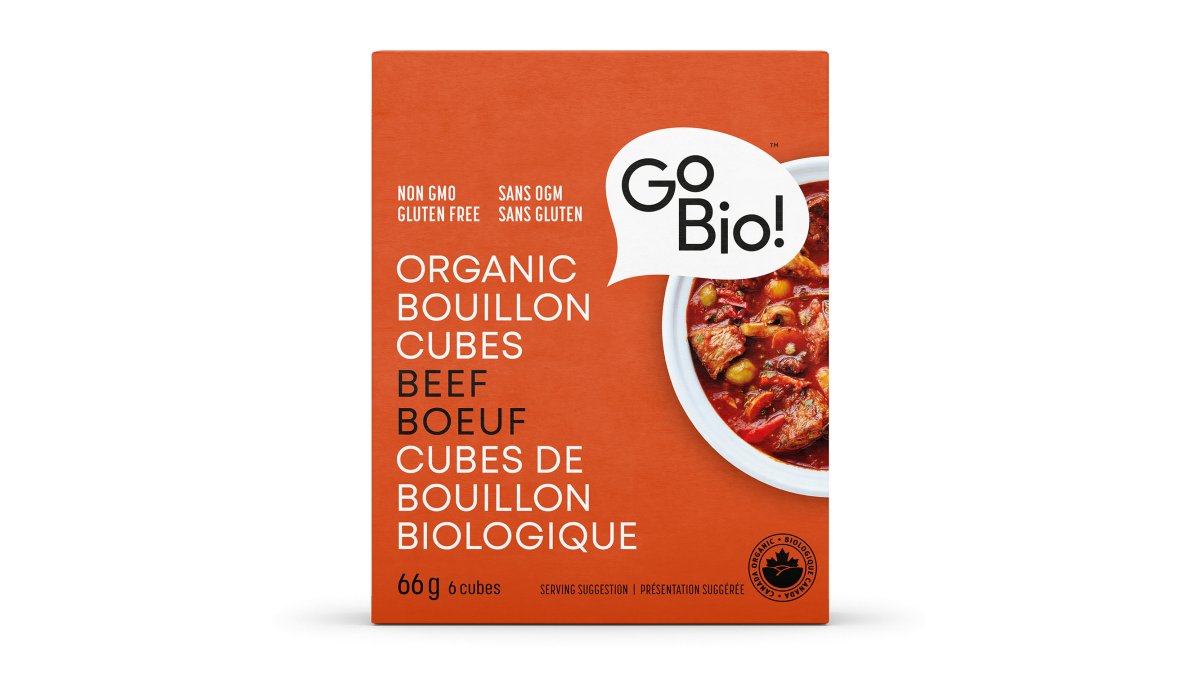
Organic oats, lentils, rice, beans, and bouillon cubes are among the most budget-friendly staples. At Ambrosia Natural Foods, Organic Original Hot Oatmeal is $6.99, Organic Beef Bouillon Cubes are $3.99, and Organic Red Lentil Spaghetti is $6.99. These items have a long shelf life and form the base of many meals. Buying them in bulk through Ambrosia's bulk-buying model can lower your cost per serving even further, helping you stick to your budget while eating organic.
How can bulk buying help with organic meal prep for families?
Bulk buying reduces the cost per unit and ensures you always have core ingredients on hand, which cuts down on emergency grocery runs. Ambrosia Natural Foods has offered a bulk food concept since 1979, passing savings directly to customers. Stock up on organic oats, pasta, and bouillon cubes that you use weekly. Store them in airtight containers to maintain freshness. This approach also supports meal prep because you can cook larger batches without worrying about running out of staples.
What are the best ways to save money on organic groceries?
Plan meals around what's in season, compare unit prices, and buy shelf-stable organic items in bulk. Use a grocery list to avoid impulse purchases and incorporate meatless meals like lentil spaghetti to reduce protein costs. Ambrosia Natural Foods offers Canada-wide delivery and free shipping on orders over $79.99, which can save on travel and help you buy larger quantities at once. Also, track prices over time to spot trends and stock up when items are on sale.
How do I balance organic food costs with family meal planning?
Balance costs by prioritizing organic for items your family eats most and where organic matters most, like produce with thin skins. Use budget-friendly organic staples such as oats, beans, and lentils to anchor meals. Plan a weekly menu that rotates these staples and includes seasonal ingredients. Meal planning software can help organize lists and meals.
What is the 3-3-3 rule for meal prep?
The 3-3-3 rule is a meal prep method where you prepare three different proteins, three different carbohydrates, and three different vegetables, then mix and match them throughout the week. This creates variety without cooking separate meals daily. For organic families, choose organic chicken, tofu, and beans for proteins; quinoa, brown rice, and sweet potatoes for carbs; and broccoli, carrots, and peppers for vegetables. This approach saves time and reduces food waste by using ingredients across multiple meals.
What is the 5-4-3-2-1 rule for groceries?
The 5-4-3-2-1 rule is a guideline for building a balanced grocery list: 5 servings of vegetables, 4 servings of fruit, 3 servings of protein, 2 servings of grains, and 1 serving of dairy or alternatives per day. When shopping organic on a budget, use this rule to ensure nutritional variety while controlling quantities. Buy these items in bulk where possible, such as frozen organic vegetables and dried beans, to reduce cost per serving and minimize trips to the store.